
When it comes to choosing a web hosting provider, the options can be overwhelming. Two of the most well-known names in the industry are Hostinger and GoDaddy. Both have earned a solid reputation for providing reliable hosting services, but they cater to slightly different types of users. Hostinger is often praised for its affordability, speed, and performance, making it an excellent choice for small businesses and individuals just starting out. On the other hand, GoDaddy has long been a dominant player in the web hosting industry, offering a wide range of services that go beyond hosting, including domain registration, website building tools, and robust customer support options.
Choosing between Hostinger and GoDaddy can be a challenge because both offer an array of hosting plans to fit various needs—from shared hosting and VPS to managed WordPress hosting. Each provider brings its own set of features, pricing plans, and performance benefits to the table. So, how do you decide which one is right for you?
In this in-depth comparison, we’ll explore all the essential factors you should consider when choosing between Hostinger and GoDaddy, including pricing, hosting features, uptime, website speed, ease of use, customer service, security, and more. Whether you’re a beginner looking for an affordable hosting solution or an experienced webmaster seeking advanced features, this guide will help you make an informed decision. By the end, you’ll have a clear understanding of the strengths and weaknesses of both providers and be able to confidently choose the one that aligns with your needs. So, let’s dive in and find out who comes out on top in the battle of Hostinger vs. GoDaddy!
Hostinger vs GoDaddy: Quick Summary
- Hostinger: Known for its affordability, robust performance, and user-friendly interface. Ideal for small businesses, bloggers, and those just starting their online journey.
- GoDaddy: One of the largest hosting providers globally, offering a wide array of services, including domain registration, website building tools, and hosting solutions.
Hostinger vs GoDaddy: Overview
GoDaddy Profile
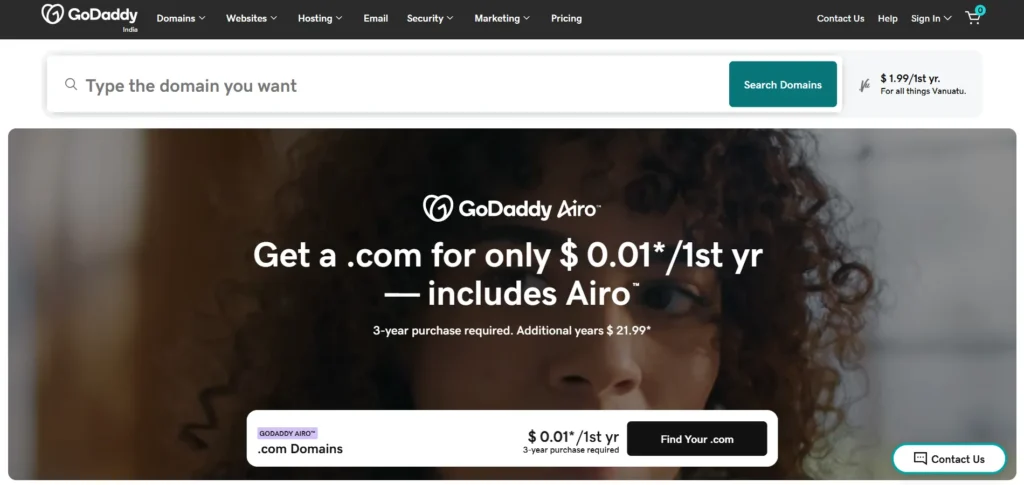
Founded in 1997, GoDaddy has grown to become one of the world’s largest domain registrars and web hosting providers. With a vast customer base and a comprehensive suite of services, GoDaddy caters to individuals, small businesses, and enterprises alike.
Hostinger Profile
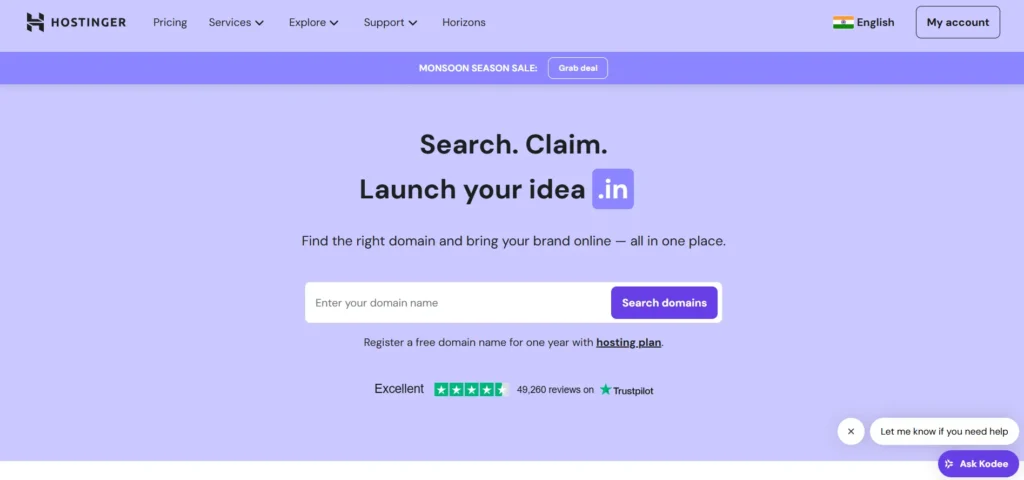
Established in 2004, Hostinger started as a small web hosting company and has since expanded globally. Recognized for its budget-friendly pricing and reliable performance, Hostinger has become a popular choice among startups and small businesses.
1. Hosting Features and Services Comparison
GoDaddy Features
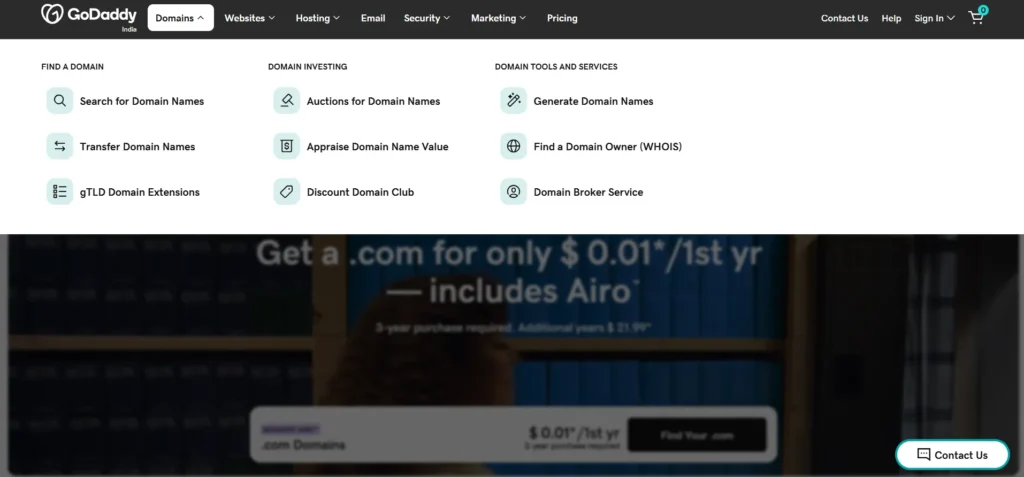
- Shared Hosting: Offers three main plans—Economy, Deluxe, and Ultimate—ranging from $6.99 to $12.99 per month. Features include free domain for the first year, free email for the first year, and unlimited bandwidth on higher-tier plans.
- VPS Hosting: Provides scalable VPS solutions starting at $4.99 per month. Plans come with varying amounts of RAM, CPU cores, and storage options.
- Managed WordPress Hosting: Includes automatic updates, enhanced security, and daily backups. Plans start at $6.99 per month.
- Website Builder: GoDaddy’s website builder is user-friendly, offering drag-and-drop functionality, customizable templates, and integrated marketing tools.
Hostinger Features
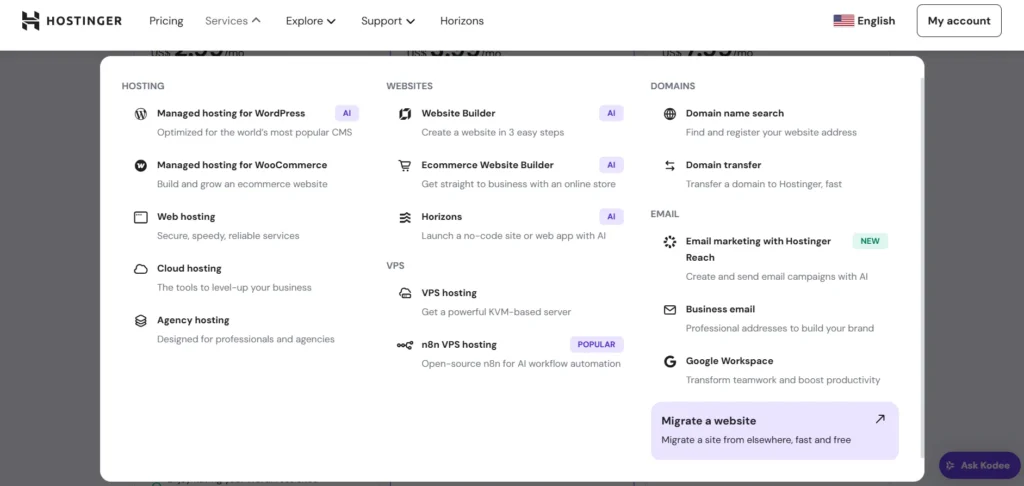
- Shared Hosting: Offers three plans—Single, Premium, and Business—starting from $1.99 per month. Features include free domain (on Premium and Business plans), free SSL, and unlimited bandwidth on higher-tier plans.
- VPS Hosting: Provides VPS plans starting at $3.99 per month. Plans come with full root access, SSD storage, and various RAM and CPU options.
- Managed WordPress Hosting: Includes automatic updates, enhanced security, and daily backups. Plans start at $2.99 per month.
- Cloud Hosting: Hostinger offers cloud hosting solutions starting at $7.19 per month, providing scalable resources and enhanced performance.
2. Prices and Plans Comparison
1. Shared Hosting Pricing Plans Comparison
GoDaddy Shared Hosting Plans
- Economy: $6.99/month, includes 1 website, 100GB storage, and free email for the first year.
- Deluxe: $9.99/month, includes unlimited websites, unlimited storage, and free email for the first year.
- Ultimate: $12.99/month, includes unlimited websites, unlimited storage, and free email for the first year.
Hostinger Shared Hosting Plans
- Single: $1.99/month, includes 1 website, 30GB SSD storage, and 100GB bandwidth.
- Premium: $2.99/month, includes unlimited websites, 100GB SSD storage, and unlimited bandwidth.
- Business: $3.99/month, includes unlimited websites, 200GB SSD storage, and unlimited bandwidth.
2. VPS Hosting Pricing Plans Comparison
GoDaddy VPS Hosting Plans
- Standard VPS: $4.99/month, includes 1GB RAM, 1 CPU core, and 20GB SSD storage.
- Enhanced VPS: $19.99/month, includes 4GB RAM, 2 CPU cores, and 60GB SSD storage.
- Maximum VPS: $34.99/month, includes 8GB RAM, 4 CPU cores, and 120GB SSD storage.
Hostinger VPS Hosting Plans
- VPS 1: $3.99/month, includes 1GB RAM, 1 CPU core, and 20GB SSD storage.
- VPS 2: $7.99/month, includes 2GB RAM, 2 CPU cores, and 40GB SSD storage.
- VPS 3: $11.99/month, includes 3GB RAM, 2 CPU cores, and 60GB SSD storage.
3. Managed WordPress Hosting Pricing Plans Comparison
GoDaddy Managed WordPress Plans
- Basic: $6.99/month, includes 1 website, 30GB SSD storage, and 1TB bandwidth.
- Deluxe: $9.99/month, includes unlimited websites, 75GB SSD storage, and 2TB bandwidth.
- Ultimate: $12.99/month, includes unlimited websites, 150GB SSD storage, and 3TB bandwidth.
Hostinger Managed WordPress Hosting Plans
- Single WordPress: $1.99/month, includes 1 website, 30GB SSD storage, and 100GB bandwidth.
- Premium WordPress: $2.99/month, includes unlimited websites, 100GB SSD storage, and unlimited bandwidth.
- Business WordPress: $3.99/month, includes unlimited websites, 200GB SSD storage, and unlimited bandwidth.
3. Website Performance Comparison (Uptime & Speed)
GoDaddy Uptime & Speed
- Uptime: GoDaddy offers a 99.9% uptime guarantee.
- Speed: Performance can vary based on server location and plan. Users have reported average load times ranging from 2 to 3 seconds.
Hostinger Uptime & Speed
- Uptime: Hostinger also provides a 99.9% uptime guarantee.
- Speed: Hostinger has consistently demonstrated faster load times, with average speeds under 2 seconds, especially on higher-tier plans.
4. Customer Service Comparison
GoDaddy Customer Service
GoDaddy offers 24/7 customer support via phone, live chat, and email. While support is generally responsive, some users have reported longer wait times during peak hours.
Hostinger Customer Service
Hostinger provides 24/7 support through live chat and email. Users have praised Hostinger’s support team for their prompt and helpful responses.
5. Ease of Use Comparison: Which Platform Is Easier to Use?
GoDaddy Ease of Use
GoDaddy’s user interface is straightforward, with a custom dashboard that simplifies website management. The website builder is intuitive, making it easy for beginners to create websites.
Hostinger Ease of Use
Hostinger utilizes its custom control panel, hPanel, which is user-friendly and offers a clean layout. The platform also includes an AI-powered website builder, making site creation even more accessible.
6. Privacy and Security Comparison: Which Platform is More Secure?
GoDaddy Privacy and Security
GoDaddy provides essential security features, including free SSL certificates on most plans, DDoS protection, and daily backups. However, some advanced security features may require additional fees.
Hostinger Security
Hostinger includes free SSL certificates on all plans and offers additional security measures such as weekly backups, DDoS protection, and a robust firewall for enhanced protection.
7. Server Locations Comparison: Where Each Platform Keeps Its Servers
GoDaddy Server Location
GoDaddy has data centers in the United States, Europe, and Asia, allowing it to provide fast speeds for most regions.
Hostinger Server Location
Hostinger has data centers in the USA, UK, Singapore, Brazil, and Lithuania, which helps provide excellent performance globally.
Hostinger vs GoDaddy: Final Recommendations
Why Choose Hostinger
- Affordability: Hostinger offers competitive pricing, making it an excellent choice for budget-conscious users.
- Performance: With faster load times and reliable uptime, Hostinger ensures a smooth user experience.
- User-Friendly: Hostinger’s intuitive interface and AI-powered website builder make it easy for beginners to get started.
When to Consider GoDaddy
- Comprehensive Services: If you’re looking for a one-stop shop for domain registration, hosting, and website building tools, GoDaddy provides a wide range of services.
- Phone Support: For users who prefer phone support, GoDaddy offers 24/7 assistance.
GoDaddy and Hostinger Alternatives
While both GoDaddy and Hostinger are solid choices, other hosting providers might better suit your needs:
- Bluehost: Known for its excellent WordPress hosting and customer support.
- SiteGround: Offers top-notch performance and security features.
- A2 Hosting: Provides high-speed hosting solutions with Turbo Servers.
The Bottom Line
In the end, both Hostinger and GoDaddy have their strengths, making them suitable for different types of users. Hostinger stands out for its affordability, performance, and user-friendly interface. If you’re just starting your online journey or running a small business, Hostinger offers excellent value for money.
Its fast loading times, 99.9% uptime guarantee, and robust customer support make it a great choice for those on a budget. Hostinger’s pricing plans are among the most competitive in the market, particularly for shared hosting and managed WordPress options. Additionally, their intuitive control panel and AI-powered website builder simplify the process for beginners.
On the other hand, GoDaddy offers a more comprehensive suite of services, making it ideal for those looking for a one-stop solution. It provides everything from domain registration to web hosting and professional email services. GoDaddy’s 24/7 phone support is a big plus for users who prefer more direct communication.
While its pricing is slightly higher, the range of features available—including robust website building tools and scalability options—can be valuable for users planning to grow their website or business over time.
Ultimately, the choice between Hostinger and GoDaddy depends on your specific needs. If cost-effectiveness, speed, and ease of use are your top priorities, Hostinger is the winner. However, if you’re looking for a platform with a broader array of services and support options, GoDaddy could be the better fit. Choose based on your current and future requirements to make the best decision for your website.
Frequently Asked Questions
Which is better for WordPress hosting: Hostinger or GoDaddy?
Both providers offer managed WordPress hosting. However, Hostinger’s plans are more affordable, and users have reported faster load times.
Can I migrate my website from GoDaddy to Hostinger?
Yes, Hostinger offers free website migration for most plans, making it easy to transfer your site.
Does GoDaddy offer a money-back guarantee?
GoDaddy offers a 30-day money-back guarantee on most plans.
Is Hostinger good for beginners?
Yes, Hostinger’s intuitive interface and AI-powered website builder make it beginner-friendly.
Which platform offers better customer support?
Both platforms offer 24/7 support. However, Hostinger’s live chat support has received positive feedback for its responsiveness.