Artificial intelligence (AI) is revolutionizing every aspect of our lives — from self-driving cars to personalized shopping experiences.
One area where AI has begun to make its presence strongly felt is in the workplace. Increasingly, companies are turning to AI-powered surveillance tools to monitor employee productivity, behavior, and even health. This shift is transforming how employers interact with their employees and how workers perform their daily tasks.
In this study, we will delve into the growing use of AI in workplace surveillance, analyzing how it’s being applied, its impact on employees, notable cases, and what legislation is emerging to protect workers.
We’ll also explore where this technology is headed and what it means for the future of work.
AI-Powered Workplace Surveillance Is Growing
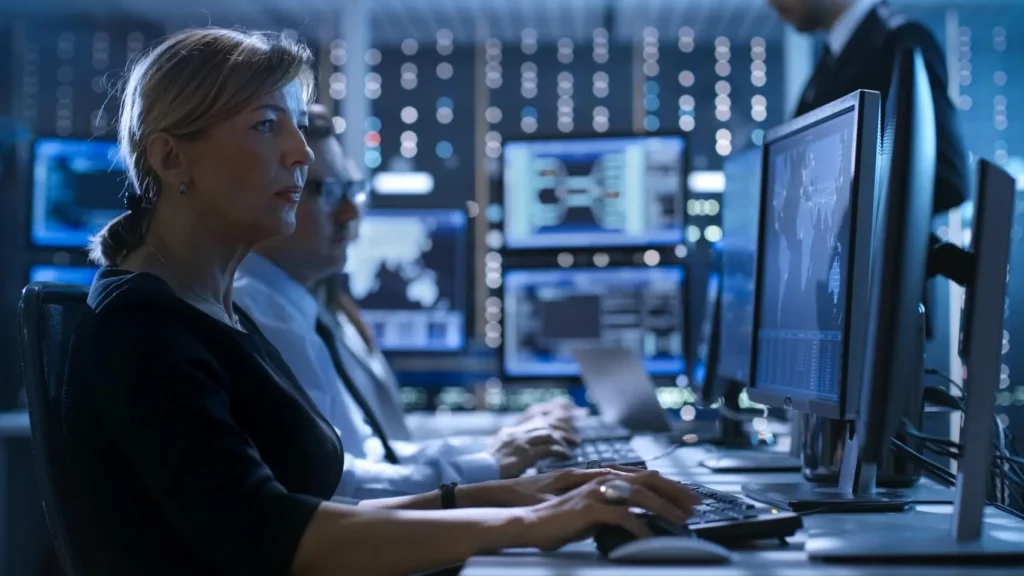
AI-powered surveillance tools are becoming more common in workplaces across the globe. Employers are adopting advanced software systems to track everything from your emails to your physical movements.
AI technologies, such as machine learning algorithms and computer vision, allow employers to gather insights from data in real-time, making it possible to assess employees’ performance more objectively.
These tools go beyond simple monitoring and can make automatic decisions, like issuing warnings when certain productivity benchmarks are missed or determining when an employee’s performance is deemed subpar.
The rise of remote work has further accelerated this trend. With employees no longer physically present in an office, companies have turned to digital tools to ensure that employees remain productive.
Tools such as time tracking software, activity monitoring, and even AI-driven “productivity” scoring systems are helping employers keep tabs on their teams, regardless of their location.
While the use of AI for surveillance aims to improve efficiency and reduce workplace inefficiencies, it also raises several ethical and legal concerns.
What happens when workers feel like they are being constantly watched? How does this affect their job satisfaction, morale, and productivity?
Our Findings: What Are Companies Tracking?
The first question that often comes up is, what exactly are companies tracking? The answer is increasingly vast.
Companies employ a variety of AI tools to track different aspects of employee behavior, with the goal of improving performance and optimizing productivity. Here are the main areas where AI is having an impact:
1. Employee Communications
AI systems are now capable of monitoring digital communications, such as emails, messages, and even Slack chats. These tools analyze the tone, content, and sentiment of messages to determine how employees interact with their colleagues.
Some systems even check for signs of discontent or frustration, which might indicate a problem in the workplace.
While some companies use this data to ensure communication remains professional, others use it to monitor and manage individual performance.
For example, AI can track how many emails you send, whether your language is positive or negative, and if you are responding to emails in a timely manner. In some cases, it could even flag certain keywords or phrases for potential follow-up by a manager.
2. Behavioral Monitoring
Behavioral monitoring refers to the tracking of physical and digital activities. This includes tracking the time spent on tasks, how long you’re logged into your computer, how much time you spend on non-work-related websites, and even how long you’re inactive during the day.
Employers can get detailed reports on how you divide your time, identifying areas where productivity might be lacking.
More advanced AI systems even track facial expressions to gauge an employee’s emotional state, assess engagement levels, and measure fatigue or stress.
These systems use facial recognition software and machine learning algorithms to detect subtle changes in expression, such as frowning or sighing, that may indicate dissatisfaction or disengagement.
3. Physical Presence and Movement
In many workplaces, especially in sectors like manufacturing, healthcare, and retail, AI-powered systems track where employees are located in real-time. By using RFID tags, biometric scanners, or cameras with facial recognition, employers can monitor employee movements around the office or plant.
In addition, wearable devices like smartwatches or health trackers can monitor an employee’s physical activity and even check for signs of stress or fatigue.
Some employers are even going so far as to install AI-powered cameras that track employees’ movements in real-time, ensuring that workers are where they’re supposed to be during the day.
In some industries, AI-driven systems are used to keep track of break times and how long employees spend away from their desks.
4. Productivity Metrics
AI systems now provide detailed insights into how productive an employee is by tracking specific activities and comparing them to preset productivity benchmarks.
For example, AI-powered software might track the number of tasks completed, the speed at which tasks are completed, and the overall quality of the work being done. In some cases, productivity scores are assigned to each employee based on these metrics.
This type of monitoring can be highly motivating for some employees, as it gives them concrete data on how well they’re performing.
However, it can also create stress for workers, especially if the system is overly rigid or lacks transparency. Employees may feel they are being judged solely based on numbers rather than the quality of their work or unique contributions.
5. Health and Wellness
With health and wellness becoming an increasing priority for companies, some are using AI to monitor employees’ physical health.
Wearables that track vital signs like heart rate, temperature, and stress levels are being used to assess employee well-being throughout the workday.
This data can help companies identify potential health risks and take steps to prevent burnout, sickness, or stress-related issues.
However, the use of such tracking tools has led to concerns over privacy. Many workers feel uncomfortable with the idea of their employers having access to such personal information.
Questions also arise about consent and whether employees have a say in how their health data is used.
Notable Cases of AI-Driven Worker Surveillance
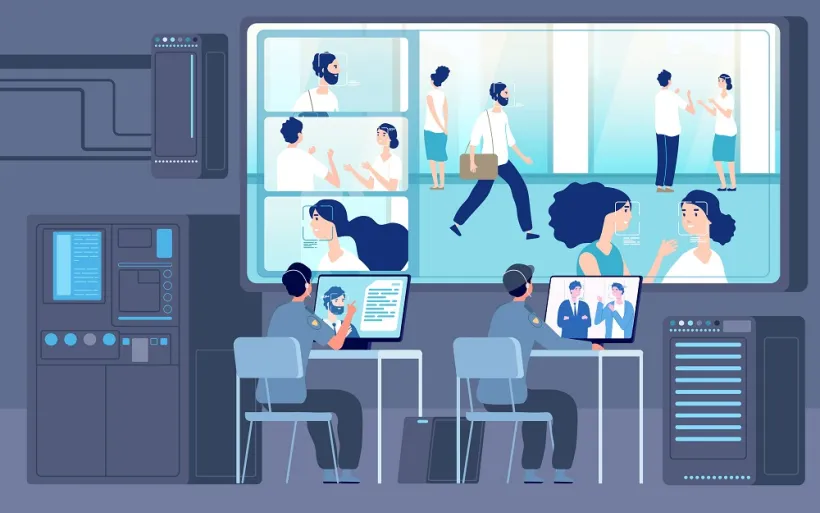
AI-driven worker surveillance has become a hot topic, with several high-profile companies implementing advanced technologies to monitor their employees.
From tracking productivity to assessing behaviors, these systems have raised significant concerns about privacy and fairness. Let’s take a closer look at some notable cases of AI surveillance in action.
Amazon: Monitoring Breaks and Recording Driver Behaviours
Amazon is one of the most well-known companies that use AI-powered surveillance to monitor employees. Delivery drivers, for instance, are subject to AI-powered cameras in their vans that track everything from driving speed to facial expressions.
The system issues alerts if drivers brake suddenly, accelerate too quickly, or engage in other behaviors deemed unsafe or inefficient.
Some drivers have expressed concerns about the constant surveillance, claiming that the system can be overly aggressive and punitive.
Amazon’s use of AI to monitor breaks has also come under scrutiny. Drivers have reported being warned for taking breaks that the system deems excessive, even though the breaks may have been necessary for safety reasons.
Microsoft: Scoring Individual Productivity Levels
Microsoft’s use of AI in the workplace has garnered significant attention in recent years. The company’s Productivity Score tool analyzes data from the entire Microsoft 365 suite to measure individual productivity.
This includes tracking the number of meetings attended, emails sent, and the amount of time spent on collaborative documents.
While Microsoft positions this tool as a way to help employees work more efficiently, many workers see it as a form of surveillance that pressures them to constantly perform at a high level. Employees may feel they are being reduced to a score and lose the sense of personal autonomy.
Barclays: Monitoring Time at Desks With Automated Warnings
Barclays, a major UK bank, implemented a system that uses AI to monitor how much time employees spend at their desks. The system automatically issues warnings if an employee spends too much time away from their workstation.
While intended to promote productivity, this system has received criticism for its lack of transparency and its potential to create unnecessary stress.
Expo Dubai 2020: Tracking Employee Health With Wearables
Expo Dubai 2020 used wearable devices to track employee health data, including heart rate, body temperature, and physical activity. This was done to ensure that workers remained in optimal health during the event.
While this monitoring was framed as a measure to protect employees, it raised concerns about data privacy and whether workers had adequate control over their personal information.
Uber: Automated Profiling and Decision-Making
Uber has faced significant scrutiny for its use of AI to profile drivers and make decisions regarding their employment status. The company uses algorithms to assess various factors, such as driver ratings and acceptance rates.
These algorithms determine whether a driver remains active on the platform or is deactivated, sometimes with little to no human involvement.
Drivers have criticized the lack of transparency in how decisions are made, with some arguing that the system is overly punitive and fails to take context into account.
Walmart, Delta, T-Mobile, Chevron, Starbucks: Message Surveillance
Several large corporations, including Walmart, Delta, T-Mobile, Chevron, and Starbucks, have implemented AI-driven systems to monitor employee communications. These tools analyze emails, chat messages, and other forms of digital communication to detect potential risks or issues within the organization.
While these systems can help identify problems like harassment or discontent, employees have raised concerns about privacy violations and feeling like they are being constantly watched.
The Impact of Digital Surveillance on Workers
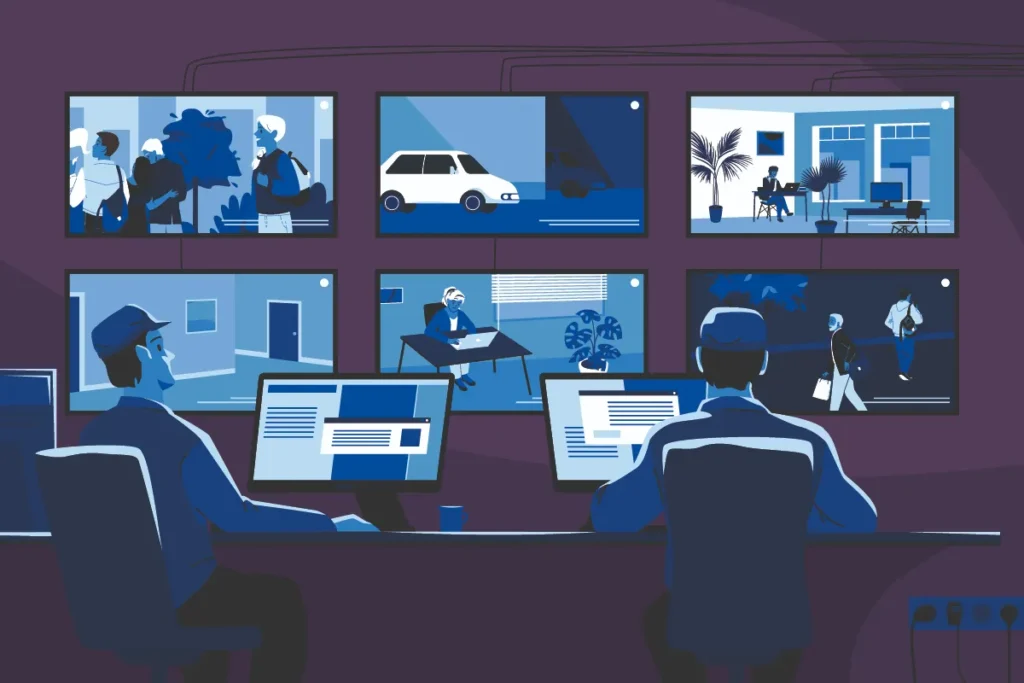
The use of AI in workplace surveillance is having a profound impact on employees. While some workers appreciate the increased accountability and transparency, others feel that it creates a culture of mistrust and anxiety.
Increased Stress and Pressure
Being constantly monitored by AI can create immense pressure to perform at all times. Workers may feel like they are being judged solely by numbers, with little room for mistakes or personal discretion. This can lead to heightened stress levels, burnout, and, in some cases, reduced productivity.
Decreased Morale and Trust
When employees feel they are being watched all the time, it can erode morale. Trust between workers and employers is essential for creating a positive work environment, and AI surveillance tools can undermine that trust.
Workers may begin to feel like they are no longer viewed as individuals but as data points to be analyzed and optimized.
Privacy Concerns
AI-driven surveillance also raises significant concerns about privacy. The collection of personal data, whether it be through facial recognition, activity monitoring, or health tracking, can feel invasive.
Employees may feel uncomfortable knowing that every action they take is being tracked and analyzed.
Resistance and High Turnover Rates
Excessive surveillance can lead to employee resistance and higher turnover rates. Workers may choose to leave companies that they feel are violating their privacy or putting too much pressure on them. High turnover is costly for businesses and can lead to the loss of valuable talent.
Legislations and Guidelines on Digital Workplace Surveillance Is Evolving
As AI surveillance in the workplace grows, legislation is struggling to keep up. Different countries have taken varying approaches to regulate the use of AI and protect employees’ rights.
United States
In the United States, there is currently no comprehensive federal law regulating workplace surveillance. However, some state laws, such as the California Consumer Privacy Act (CCPA), offer protections regarding the collection of personal data.
The Federal Trade Commission (FTC) has also issued guidelines addressing the fairness of AI systems in the workplace. There are calls for more robust legislation to protect workers from invasive AI surveillance practices.
Canada
In Canada, the use of AI in the workplace is regulated by the Personal Information Protection and Electronic Documents Act (PIPEDA).
This law mandates that employers obtain consent before collecting personal information and ensures that data is used only for specific purposes. There is also ongoing discussion about the introduction of more specific laws to govern AI use.
United Kingdom
In the UK, workplace surveillance is governed by laws such as the Data Protection Act 2018, which ensures that workers’ personal data is protected.
The Information Commissioner’s Office (ICO) has provided guidance on the use of AI in the workplace, stressing the need for transparency and consent.
European Union
The European Union has been at the forefront of regulating AI. The EU’s General Data Protection Regulation (GDPR) provides strict guidelines on data collection and usage, including in the workplace.
The upcoming Artificial Intelligence Act will further regulate AI systems, ensuring that they are used ethically and transparently.
Where Do We Go From Here?
The future of AI in the workplace depends on striking a balance between technological innovation and employee rights. While AI has the potential to improve productivity and efficiency, it must be implemented with caution.
Key considerations for the future include:
- Transparency: Employers must clearly communicate their use of AI tools and the data they are collecting.
- Consent: Employees should have the ability to opt-in to certain forms of monitoring, especially when it involves personal data.
- Ethical Use: Employers must ensure that AI is used to enhance employee well-being, not to exploit or control workers.
- Accountability: Clear guidelines should be in place to address any misuse or errors made by AI systems.
As AI technology continues to evolve, the conversation about its role in the workplace will continue to unfold. It’s essential that workers, employers, and policymakers collaborate to ensure that the use of AI benefits everyone involved.
The Bottom Line
AI is transforming the way we work, and its influence will only grow. While AI-powered workplace surveillance can improve efficiency and productivity, it also presents significant challenges for workers.
Privacy concerns, the potential for increased stress, and the erosion of trust in the workplace are real risks that cannot be ignored.
As we move forward, it’s crucial that companies adopt AI ethically, keeping employee well-being at the forefront. By balancing innovation with respect for privacy and personal autonomy, we can ensure that AI becomes a tool for growth, not control.
FAQs
What is AI workplace surveillance?
AI workplace surveillance uses artificial intelligence to monitor employee activities, productivity, and behaviors through tools like monitoring software, cameras, and wearables.
How does AI track employee performance?
AI tracks productivity through software that analyzes task completion, keystrokes, emails, communication patterns, and even physical movement within the workplace.
Is AI workplace surveillance legal?
AI surveillance is legal in many places, but it must comply with data protection laws, and employees should be informed about the monitoring taking place.
Does AI monitoring affect employee privacy?
Yes, AI surveillance raises privacy concerns, as it collects extensive data on personal behavior, communications, and sometimes even health metrics.
What are the benefits of AI in workplace surveillance?
AI helps improve efficiency, enhance productivity, and identify potential issues early, enabling employers to optimize workflows and address problems proactively.